
A clearer mental model for the statistical / symbolic divide
An exploration of how statistical and symbolic systems differ in the way they process and reason and what that distinction actually means for how AI systems behave in practice.
.png?width=2000&height=500&name=Thinking%20Fast%20and%20Slow%20in%20AI%20(7).png "Thinking Fast and Slow in AI (7)")
🕐 Thursday 21st May
📍Online - no cost to attend
🎫 Hosted by Callum Hackett, Research Science Lead and Louis Mahon, Senior Applied Scientist
A grounding in what terms like "hybrid AI" and "neurosymbolic" actually refer to so you can engage with vendor conversations more precisely, and ask better questions.
Callum will explore what terms like "neurosymbolic" and "hybrid AI" actually refer to under the hood and why the distinction matters for decisions you're already making.
The session explores which types of tasks LLMs handle well, where they tend to produce confident-sounding errors, and what a more structured alternative might look like.
From neurons to neural networks. The System 1/System 2 framework is the latest chapter in that relationship. This webinar asks whether it's the right one.
The session focuses on what a thoughtful division of responsibility between AI techniques looks like when compliance and auditability are non-negotiable requirements.
Engaging with this framing critically, rather than accepting it at face value, tends to lead to better questions internally and better conversations with vendors.
This is a research scientist exploring a concept, not a product demonstration. The audience is enterprise leaders who want rigour and that shapes the conversation.
Callum Hackett leads research science at UnlikelyAI, where he works on the architecture of hybrid AI systems that combine large language models with symbolic reasoning. His work focuses on the practical question of where each technique belongs in high-stakes, structured workflows — particularly in regulated industries where fluent-sounding errors carry real consequences.
An Oxford alumni linguistics and AI researcher, Callum's work integrates statistical and symbolic reasoning, publishes evaluation approaches, and helps enterprises judge fitness for purpose against their own workflows. This session builds directly on the Trust Gap event, extending the conversation toward what a principled division of labour inside modern AI systems should actually look like.
.png?width=1414&height=2000&name=Untitled%20design%20(6).png "Callum Hackett")
An Oxford-trained ML researcher with a PhD and 9 years of experience across academia, industry, and nonprofit work, specialising in large-scale model training, multimodal systems, and signal processing, with 20+ peer-reviewed papers in top venues including ICLR, ACL, and AAAI.
Technically fluent across the full ML stack and distributed infrastructure, with hands-on applied work ranging from dictionary-linking tools at Oxford University Press to high-precision AI for regulated domains. Combines rigorous research with a track record of real-world impact, including leading pro bono data science teams for educational charities in Tamil Nadu.
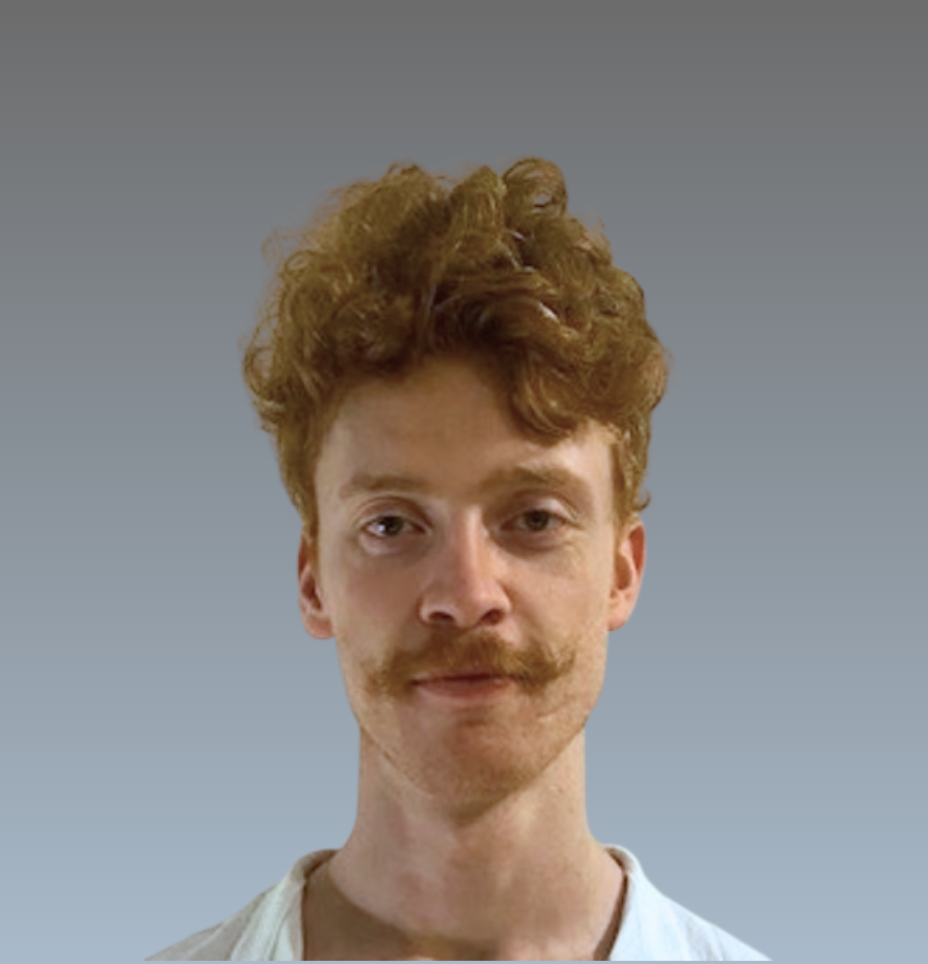
This session is for enterprise leaders who are genuinely curious about technology and who want to think more rigorously about AI, not be sold a version of it.

Introduction to Kahneman's System 1/System 2 framework and why it has become a useful lens in AI research and practice.
What the fast/slow distinction is trying to explain about modern AI systems and why it has become a common way of talking about how statistical and symbolic reasoning differ.
The Kahneman framework maps onto the startistical/symbolic divide — but that divide is only one part of how AI reasoning systems actually work. Callum explores what the fast/slow framing obscures, and why treating it as a complete picture leads teams to the wrong architectural decisions.
If the Kahneman framing isn't quite right, what is? Callum explores how to think more precisely about which parts of a task should be handled by which kind of AI, particularly in regulated environments where the cost of getting it wrong is high.
Ten minutes of open questions from the audience directly to Callum Hackett.
UnlikelyAI is a UK pioneer in AI Innovation and an award-winning UK startup. The unique neurosymbolic AI technology that we have developed is exceptionally precise and explainable, trusted by Lloyds Banking Group and other global partners.
To advance research into dependable enterprise AI, we established the UnlikelyAI Lab. This is a dedicated research group led by Oxford academic Callum Hackett, a linguistics and AI researcher known for his work on explainable technology. Our research integrates LLMs + symbolic reasoning and publishes evaluation approaches and result summaries so enterprises can judge fitness for purpose against their own workflows.
Our mission is bridging the trust gap between human expertise and artificial intelligence, solving one of the most critical challenges in AI.
.jpg?width=2000&height=1500&name=IMG_1020%20(7).jpg "IMG_1020 (7)")